
School of Human Development
ON THIS PAGE
About
It reflects on social transformation as a set of processes rooted in and addressing: (a) inequality in social status and substantive rights based on identity; (b) the absence of material and economic dignity for the urban majority; and (c) inequities in political presence, recognition, and participation.
In defining human development as social transformation, the SHD makes several departures from other articulations of this field. It emphasises inequality, rather than just multidimensional poverty or human capabilities, and adopts a more relational and structural view of how vulnerability is produced and sustained.
It takes social inequality, based on caste, gender, religion, ethnicity, tribe, or sexuality, as seriously as economic inequality, recognising that the latter often follows the former. It argues that the task of human development extends beyond the critical provision of basic needs and capabilities, but also to value equally substantial citizenship, political agency, and freedom, as well as fraternity, solidarity, and belonging.

Where economies evolve, cities transform, and communities shape resilient futures.
Key Focus Areas
Seven areas of research and practice
Select an area to explore in depth
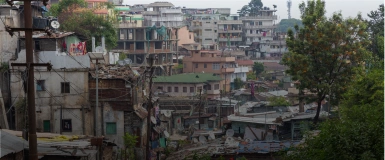
Affordable Housing
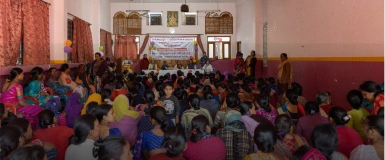
Social Protection

Employment and Livelihoods
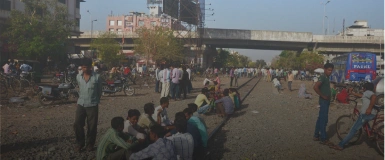
Urban Inequality

Health
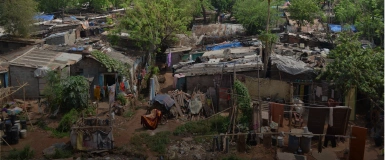
Slum Upgradation
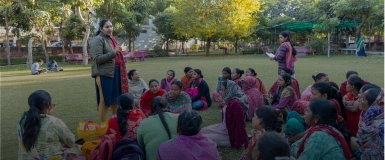
Community Development
"Our schools are not silos - they are lenses through which we examine, understand, and shape the urban future."