IIHS,
Kengeri Campus

A world-class, state-of-the-art, sustainable net-zero Campus, demonstrating best practices in campus design and management


About

IIHS is developing a world-class, state-of-the-art, integrated and sustainable net-zero residential campus in a 54-acre site located in Kengeri, Bengaluru.

This carefully chosen location offers IIHS the opportunity to demonstrate a world-class, green, sustainable, and smart development, provide its learners with the space to engage with and learn from its ecological surroundings, and interact with the diverse people in the area.


OVERVIEW

Natural Environment

A series of site surveys and ecological studies, including hydrogeological, land use, and planning studies, and biodiversity and topography surveys, were conducted to form the basis for the design of the IIHS, Kengeri Campus. This allowed for the establishment of ecological, functional, and productive habitats with climate-resilient plant communities, and the preservation of the floral and faunal habitat.

By designing for local ecological functions, the Campus aims to provide not only ecosystem and sustainability-related services to its community, but more importantly, to its immediate surrounding locality.

enviroment-nature

Long-Term Urban Ecological Observatory

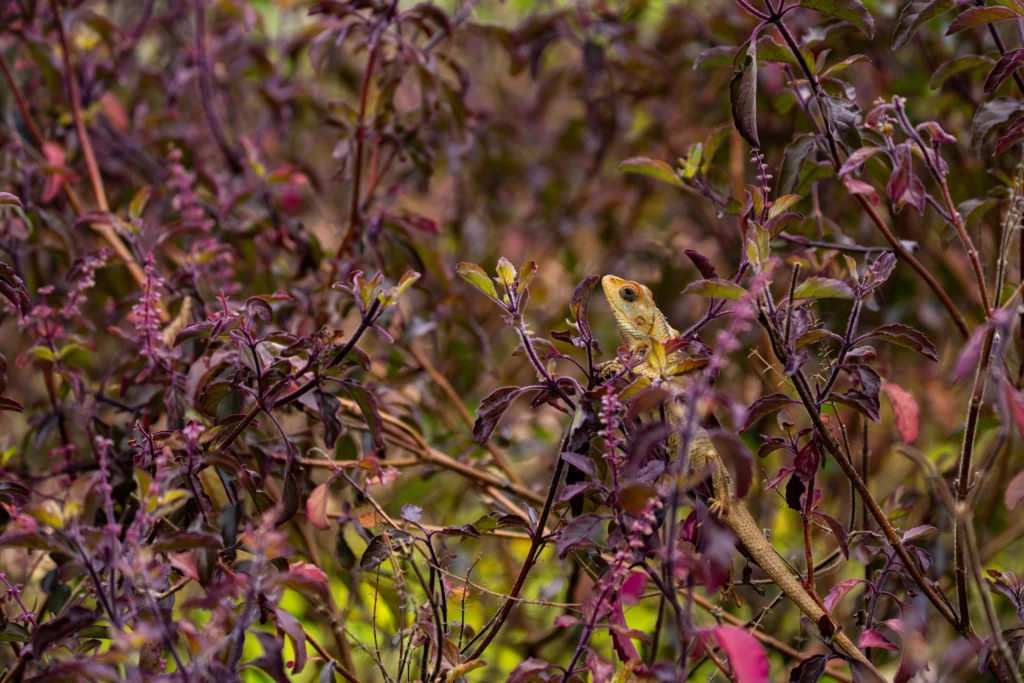
The Campus is a local biodiversity hotspot, with over 250 native flora and fauna species, and forms the basis for the world’s first megacity Long-Term Urban Ecological Observatory. It is an interdisciplinary Centre of Excellence that generates new knowledge, develops nature-based solutions and develops human capacity at the interface of urban ecological science, sustainability science and climate science.

IIHS helps restore and maintain the Campus’s vital ecosystems, tracking existing species on the Campus and bringing back a variety of native plant species.

Climate-Resilient Systems

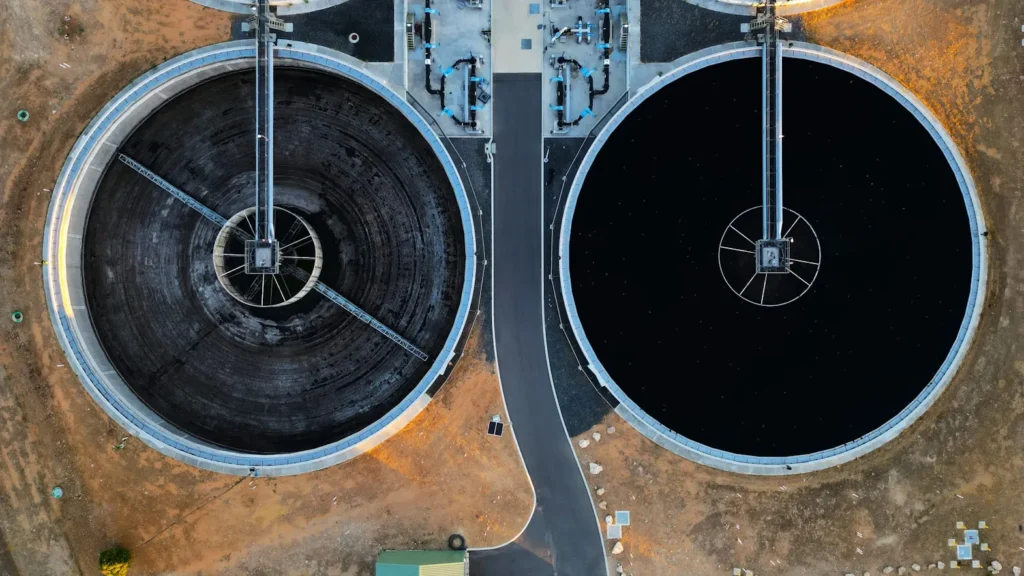
IIHS is building sustainable, climate-resilient infrastructure powered by renewable energy, with integrated systems for water conservation, wastewater recycling, and waste management. Treated wastewater and compost are reused for irrigation and landscape management, while stormwater run-off is channelled into retention ponds to maximise water harvesting and groundwater recharge.

Built Environment

The IIHS, Kengeri Campus, with a planned 0.2 million square metres of built-up area, will demonstrate the convergence between the best of India’s crafts-based building traditions and cost-effective, sustainable modern technology.

Conceived as one of India’s first pilot integrated ‘smart’ campuses, the Campus will bring together research, labs, interdisciplinary hubs and practice facilities; livable and affordable residential and community facilities; and a range of public facilities open to other institutions, researchers, and citizens.

Experimental Building

Flexible workspace, with cabins and workstations for staff, a conference room, the IIHS Environmental Lab, the IIHS Media Lab, the IIHS Internet of Things Lab, a sick room-cum-guest room, and a semi-open terrace dining/breakout area.

Experimental Kitchen

Custom-designed building for day-to-day food production and events.

Multipurpose Building

Semi-open space housing the Internet of Things Lab, the IIHS Long-Term Urban Ecological Observatory (LTUEO)/ IIHS Environmental Lab, exhibitions, dining, and indoor sports.

Multipurpose-Building

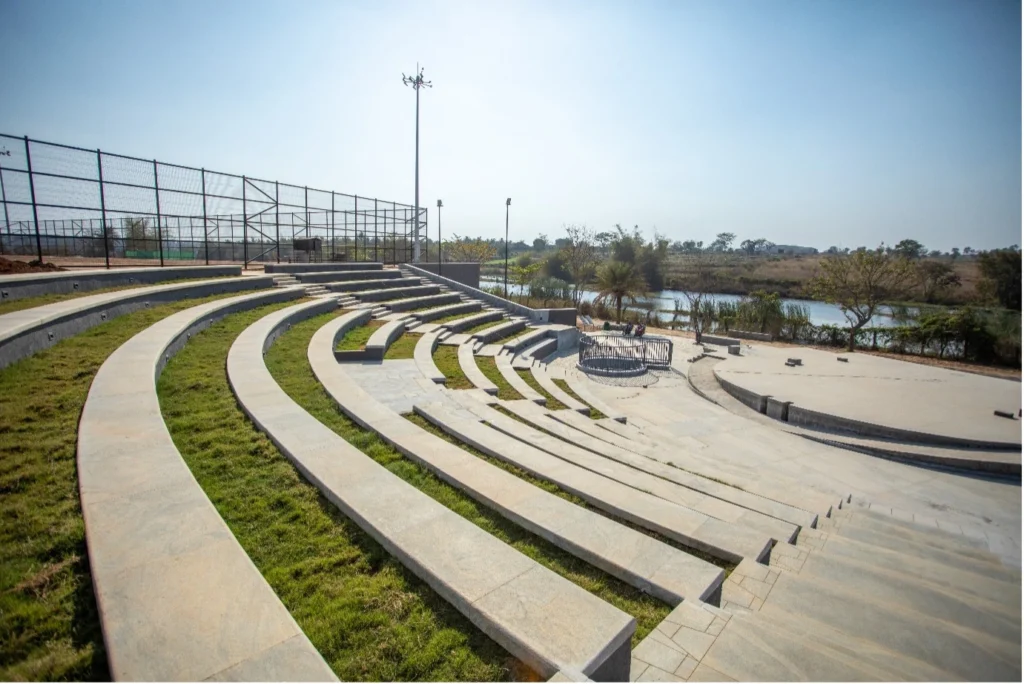
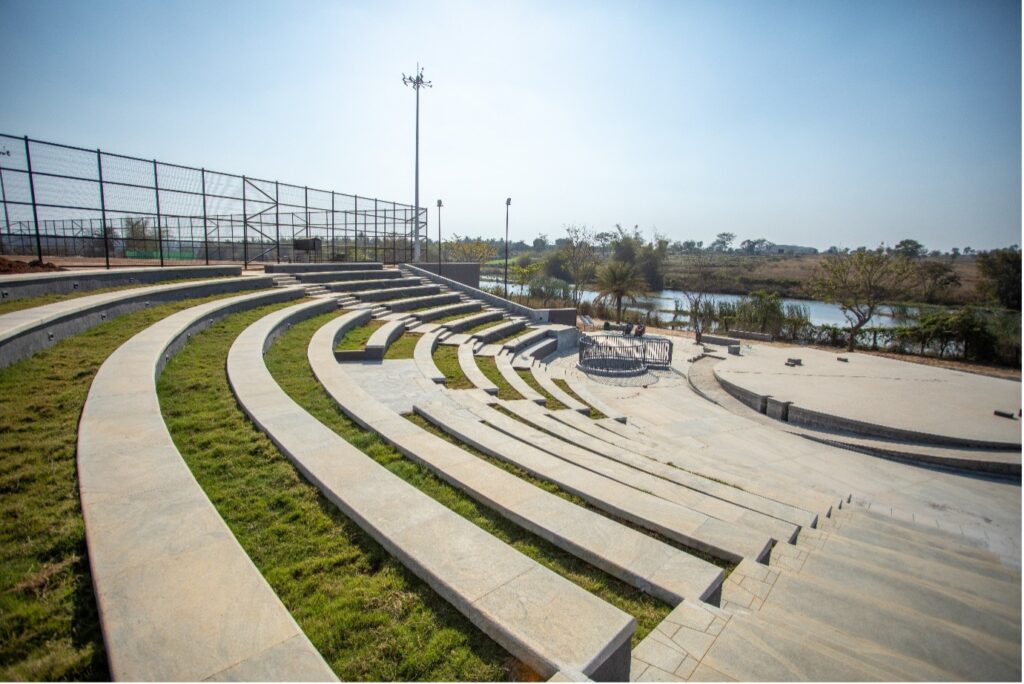
Riparian Amphitheatre

Outdoor venue with a capacity of 500 people, used for formal gatherings like convocations, open classroom sessions, talks, and panel discussions, and informal activities like concerts, film screenings, and theatre performances.

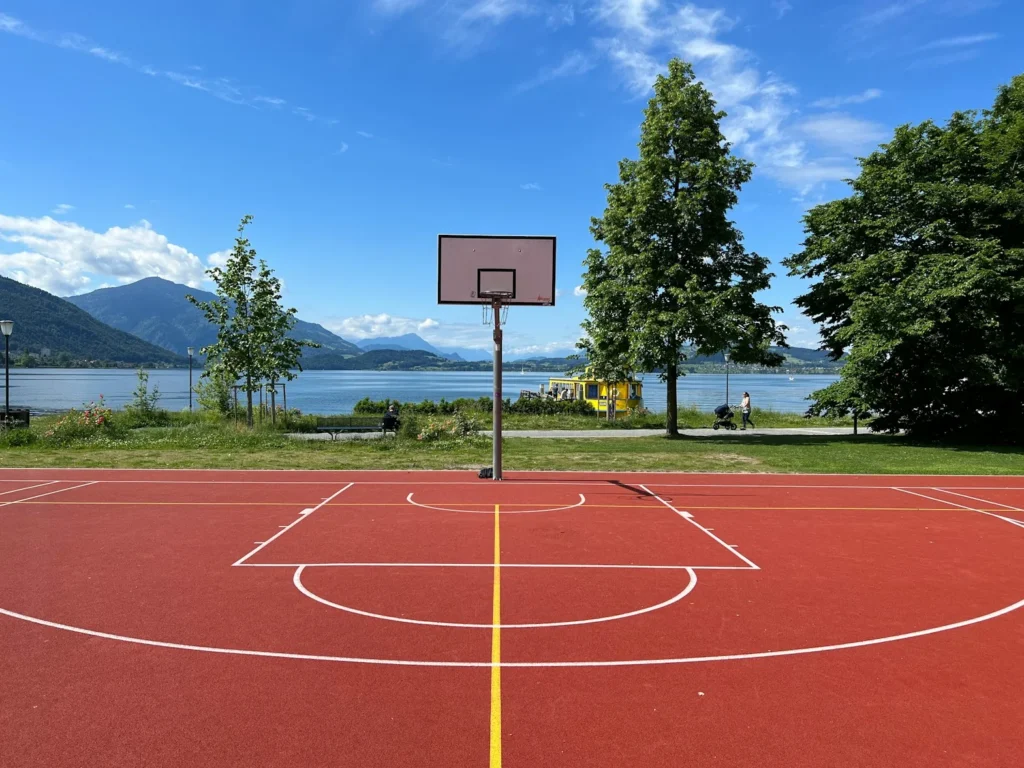
Riparian Playground

Designed for multipurpose sports use, with a seating capacity 350 people.

Digital Systems

The IIHS, Kengeri Campus is designed to be digitally enabled, smart, intelligent and sustainable, to ease data collection, flow, and storage for learning, research, interaction, and communication, to reduce overall environmental impact, and to improve educational experience.

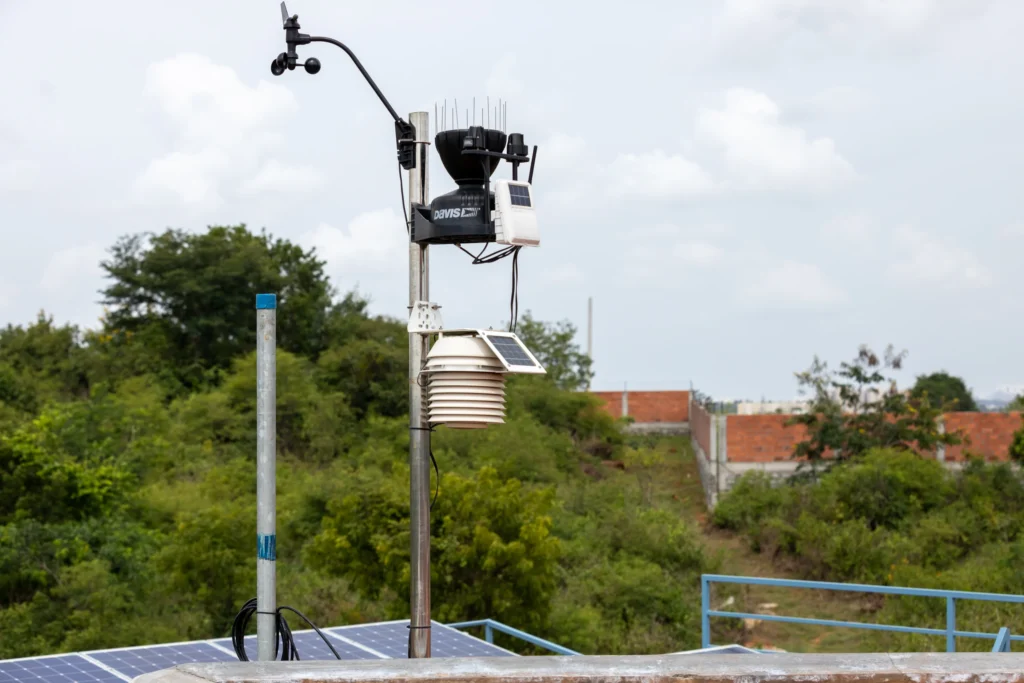
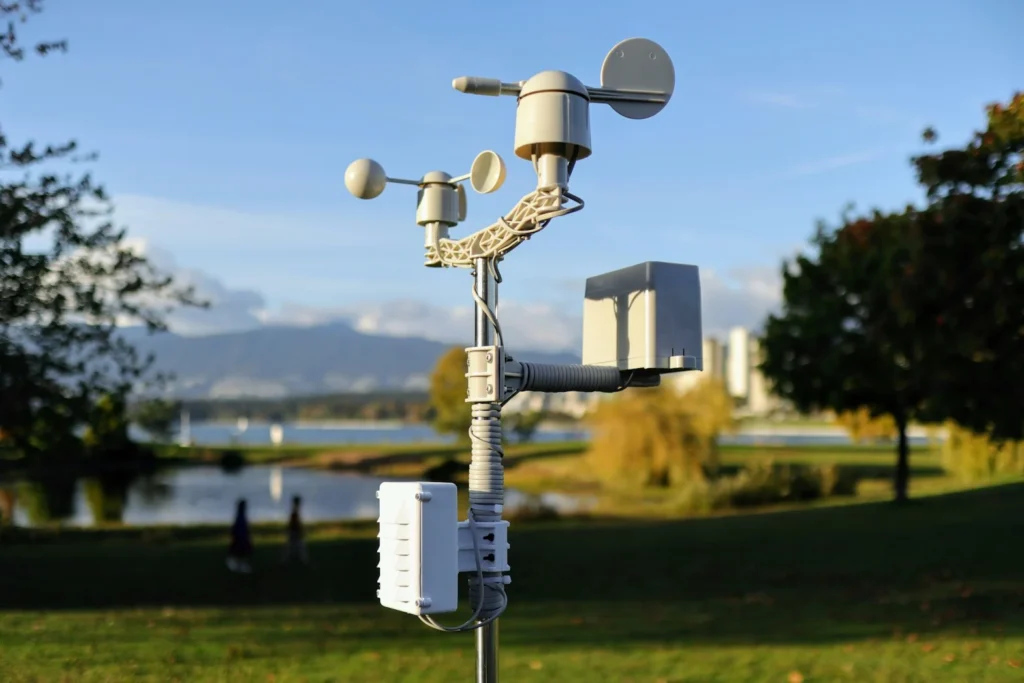
Sensor Network

A network of sensors and connected systems enables real-time monitoring and management of: energy use, water consumption, air quality and environmental comfort, waste management, mobility and transportation, and landscape and irrigation systems.

AI, IoT and Data Infrastructure

The Campus uses artificial intelligence (AI), machine learning (ML), internet of things (IoT) technologies, and edge computing to support data-driven operations, optimisation, and sustainability management.

AI,-IoT-and-Data-Infrastructure

Campus OS

An integrated digital platform that provides real-time input and operational control across Campus systems, supporting efficiency, infrastructure performance, and environmental management.


Campus-OS

Technology-Enhanced Buildings

Digital infrastructure across classrooms, lecture halls, theatres, offices, outdoor spaces, and field sites will enable connected learning, teaching, research, and collaboration across physical and virtual environments.

Technology-Enhanced-Buildings